The Indivisible Triadic Structure
Emotional Realism Expressionism (ERE) is far from a mere stylistic amalgam of three distinct aesthetic components. It operates as a unified pictorial principle—a foundational ontology where the Emotional, the Realist, and the Expressionist function as an indivisible triad. None of these elements is self-sufficient; no pairing can fully actualize the work in the absence of the third. The critical mass and visceral power of ERE emerge precisely from this simultaneous, reciprocal convergence.
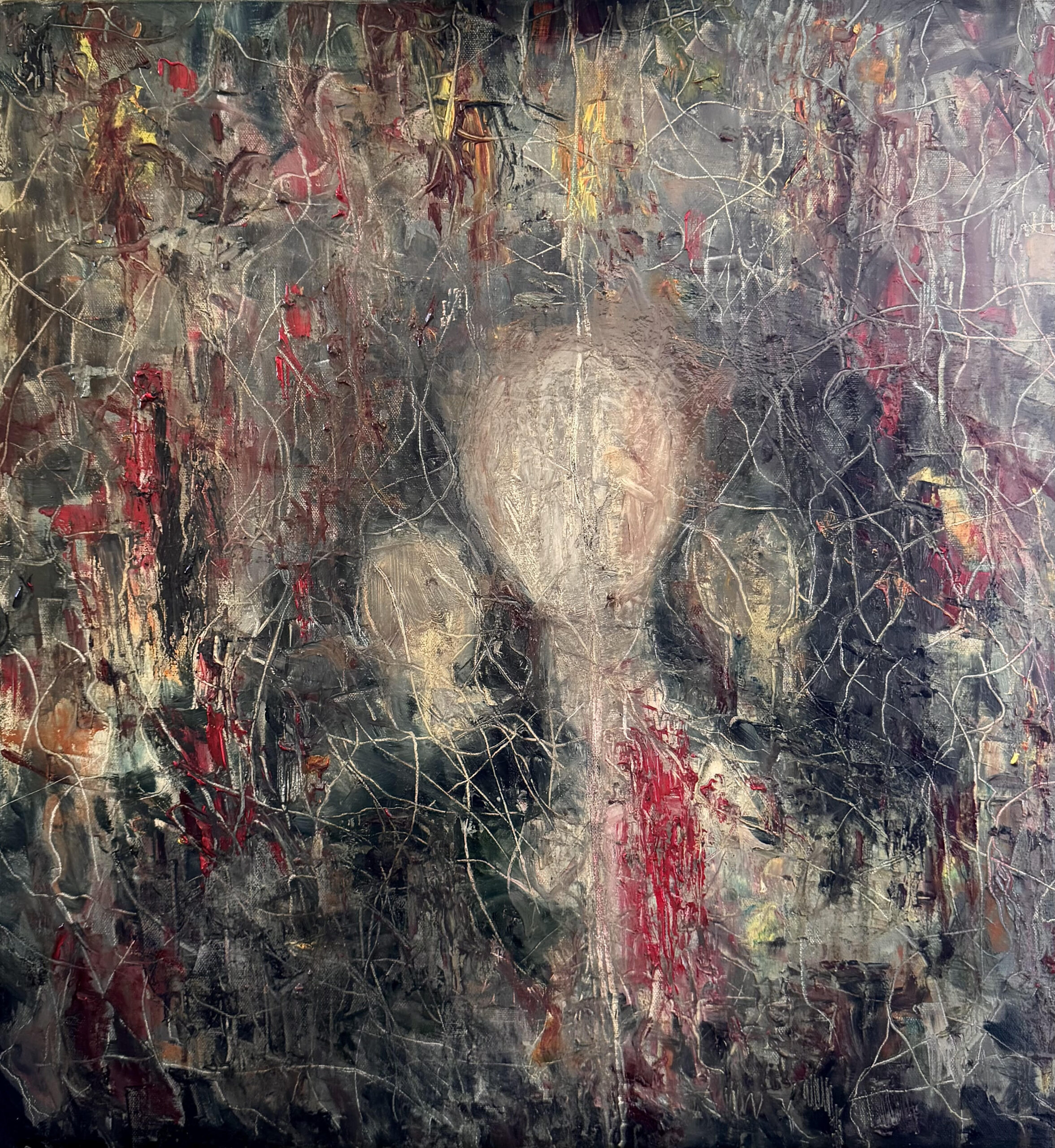
Expressionism provides the work with its carnal, material embodiment. It rejects the superficiality of decorative intensity and transcends mere stylistic mannerism. Instead, the painterly gesture, the heavy impasto, the violent tracks of the palette knife, the incisions, the formal distortions, and the raw confrontation with the medium upon the canvas collectively transfigure paint into a wound, into a body, into palpable psychological pressure. Bereft of this expressionist urgency, the artwork risks devolving into a flat, descriptive, or emotionally benign exercise.
Realism establishes the structural infrastructure of the work. This is neither a photographic replication of reality nor a dry exercise in academic anatomy. Rather, it is the profound recognition that within the painterly chaos, an authentic presence endures—a face, a gaze, an individual human existence. This realist anchor prevents the work from dissolving. Without it, the expressionist gesture risks becoming an unmoored, impersonal discharge of energy.
The Emotional element serves as the vital lifeblood of the artwork. It must not be misconstrued as melodrama, sentimentality, or a superficial display of affect. It represents the intrinsic, internal necessity of the painting itself. Without the Emotional, a work may achieve technical virtuosity, but it fails to resonate. With it, technique is elevated to lived human experience.
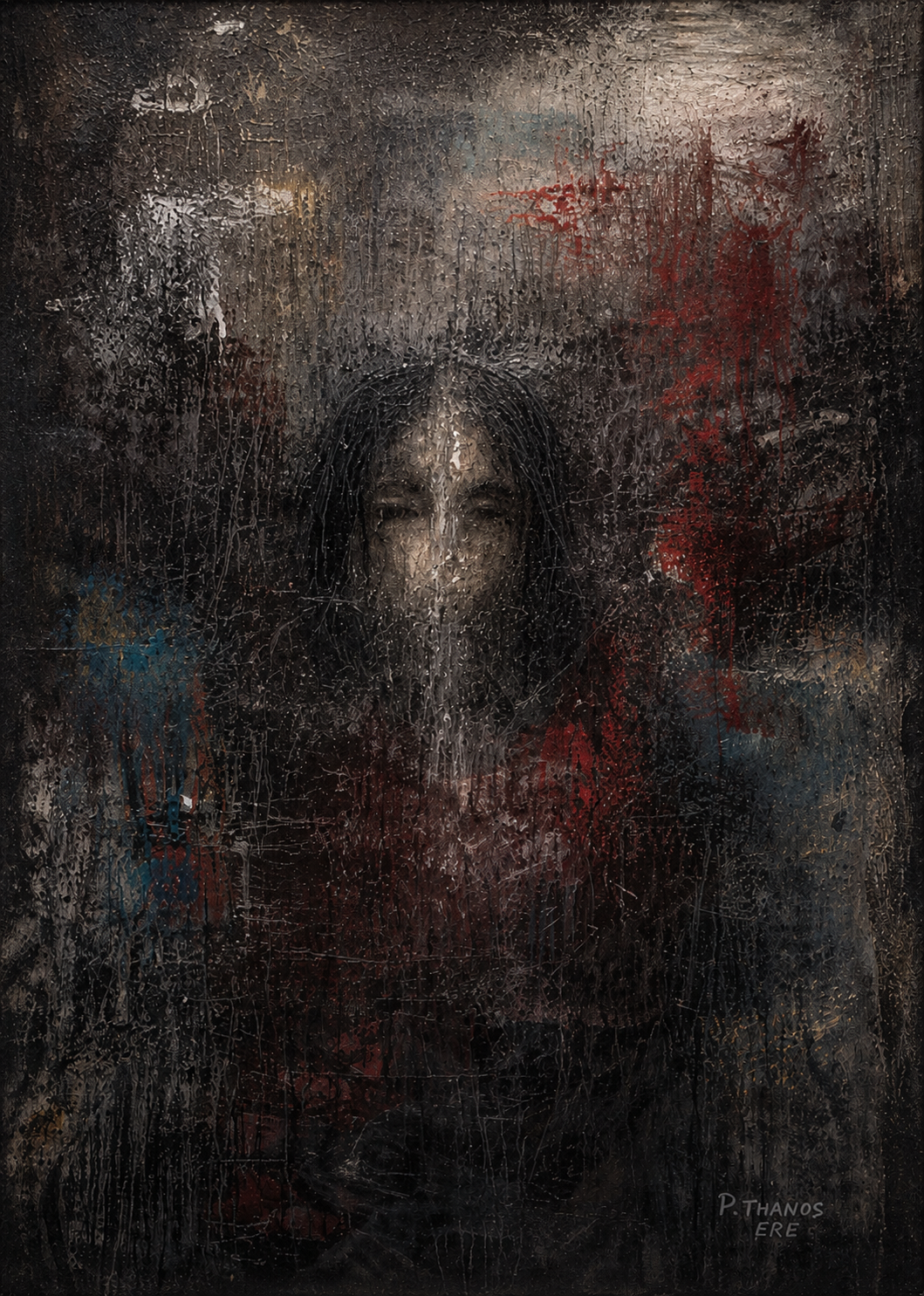
It is vital to address a question central to the philosophical core of ERE: why does the human figure—and specifically the human countenance—exert such a persistent, central dominance within this framework? Why not an object, a landscape, or an animal?
The answer lies not in a dogmatic hierarchy of subject matter, but in the unique phenomenological capacity of the human face to simultaneously condense presence, identity, and psychological condition. The face is the ultimate threshold where inner experience is rendered visible. An object may function as a symbol, and an animal may elicit empathy, but it is the human face alone that directly bears the gaze, memory, trauma, anguish, hope, and the acute awareness of existence itself.
Consequently, within ERE, the face does not operate as conventional portraiture or academic anatomy; it serves as a vessel for the human condition. It is the locus where the Emotional, the Realist, and the Expressionist intersect in their most immediate and recognizable form.
The dialectic between Expressionism and Realism is foundational to ERE. Expressionism utilizes the recognizable human presence provided by Realism as the necessary ground upon which psychological intensity manifests. In turn, Realism provides Expressionism with a vital conceptual anchor, ensuring that distortion never loses its human resonance. Thus, the two elements operate in a complementary synthesis: Realism establishes recognizability, while Expressionism uncovers the interior depth of that very presence.
For this reason, ERE rejects mere additive composition. It is not a formulaic equation of Emotion + Realism + Expressionism acting as autonomous ingredients, but a triadic pictorial totality. Expressionism severed from Realism results in an impersonal explosion of kinetic energy. Realism divorced from Expressionism collapses into sterile description. The Emotional, without the rigorous resistance of materiality, degenerates into pathos.
Only when all three coexist does the work attain its full ontological weight: body (Expressionism), presence (Realism), and soul (the Emotional).
The potential originality of ERE lies precisely within this structural synthesis. It makes no naive claim that art history was previously unacquainted with emotion, realism, or expressive gestures. The lineage of art is populated by masters who explored these territories individually or in varying permutations—from Caravaggio and Rembrandt, to nineteenth-century social realism, Van Gogh, Munch, German Expressionism, and Francis Bacon.
Yet, historically, one element almost inevitably dominated the others: at times fidelity to form, at times emotional charge, at times the explosive autonomy of the gesture.
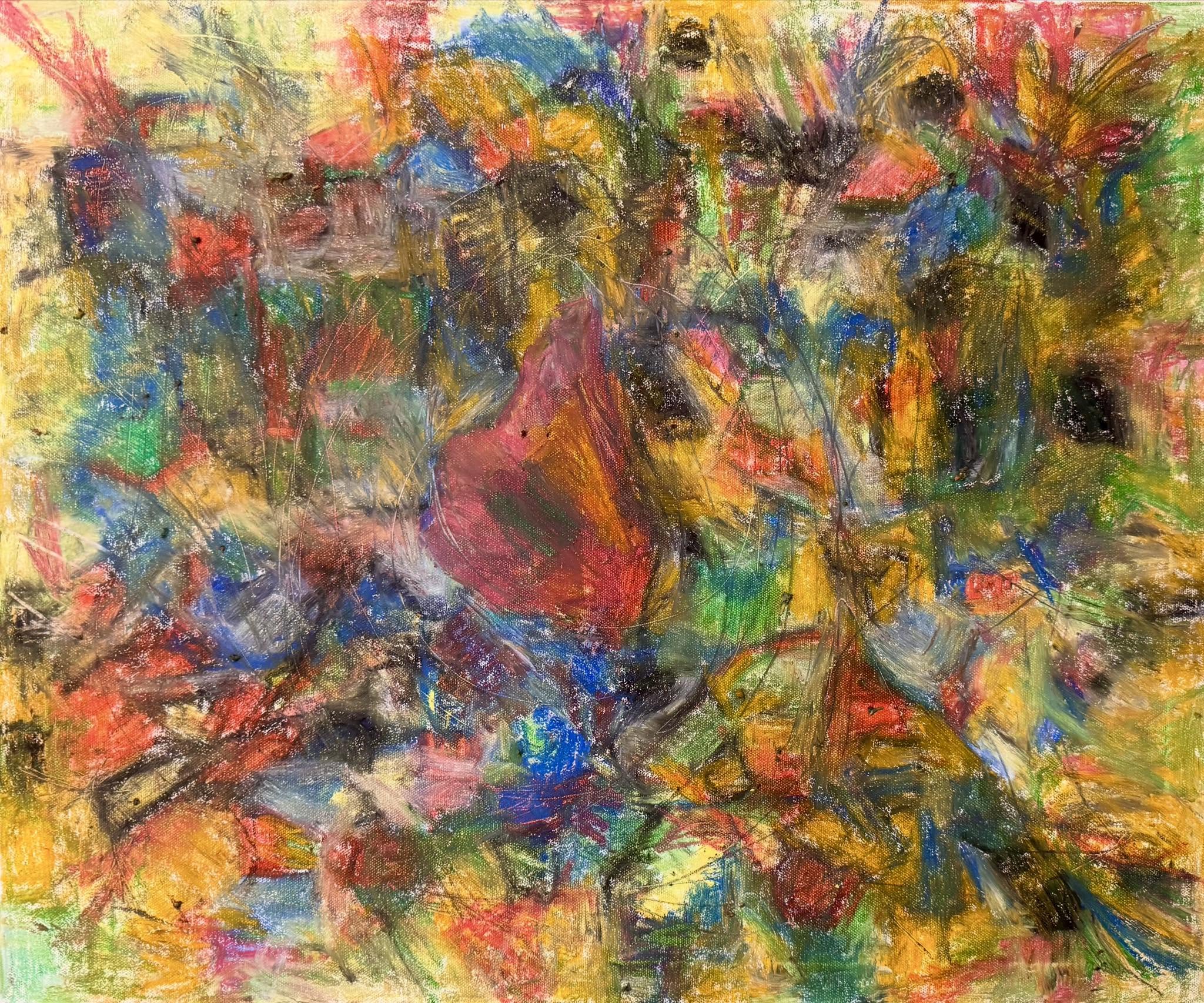
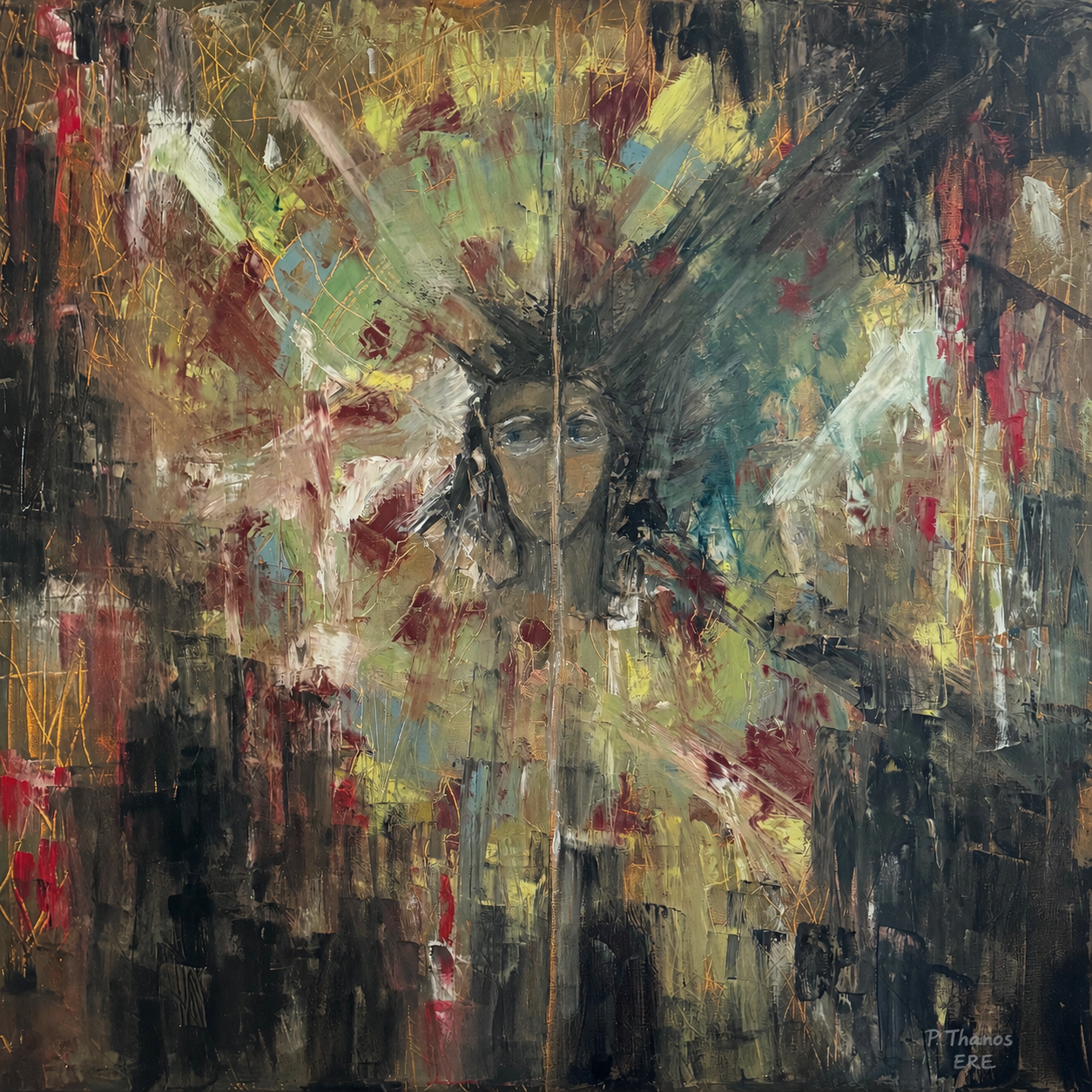

ERE proposes a distinct paradigm shift: the systematic, conscious, and indissoluble synthesis of all three components as a foundational principle of artistic creation. This is not a fortuitous convergence, but a rigorous structural proposition. Within this framework, Expressionism ceases to be a mere technique and becomes the vehicle through which matter acquires intensity. Realism is no longer mere representation, but the preservation of human recognizability within the crucible of distortion. The Emotional is not a fleeting sentiment, but the ultimate justification for the image’s existence. Each component derives its complete articulation only through the active presence of the other two.
Perhaps the most essential thesis of ERE can be distilled into a single axiom: the movement does not claim to have invented the Emotional, the Realist, or the Expressionist. Art historic canonical texts recognized all three long before its inception. What ERE claims is their recognition as inseparable, interdependent, and co-equal components of a single, unified pictorial act.
Its originality does not depend on the invention of novel materials or unprecedented technical gimmicks. It resides in the articulation of a structural philosophy: that human experience finds its most profound expression only when emotion, recognizable human presence, and expressionist transfiguration operate simultaneously, wielding equal conceptual weight.
To remove any single element from this triad is to cause the immediate collapse of its internal architecture. Without the Emotional, the image remains technically imposing yet stripped of its existential core. Without Realism, human presence evaporates into the pure abstraction of the gesture. Without Expressionism, the weight of lived experience is reduced to mere reportage. The identity of ERE is forged precisely within this crucible of mutual necessity.
In this sense, ERE does not merely outline an aesthetic trajectory; it asserts an ontological stance on the nature of painting itself: that the truth of human existence resides neither exclusively in form, nor in emotion, nor in the kinetic gesture, but in their indivisible coexistence.
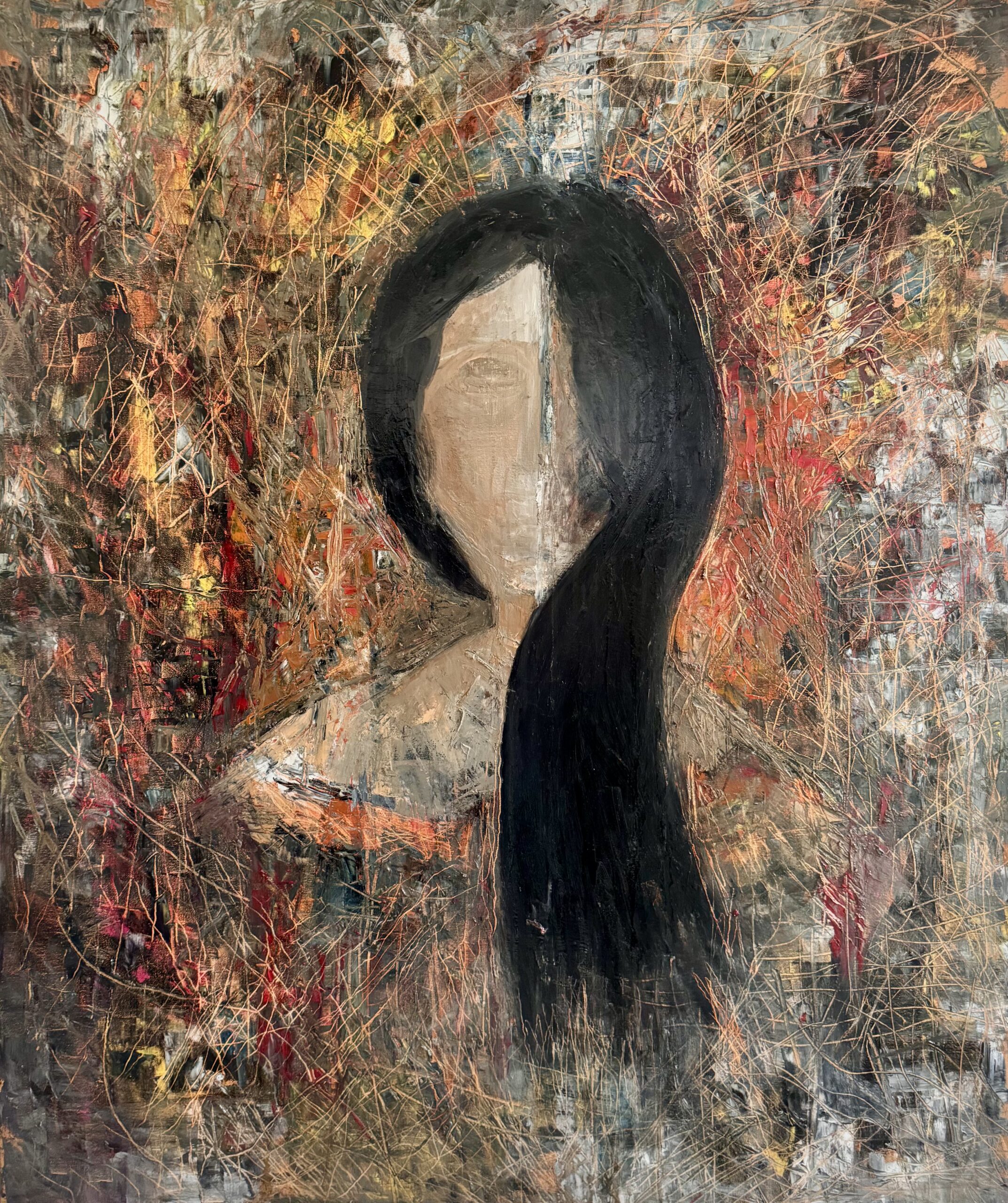
This stance effectively bridges the historical past, the immediate present, and the unfolding future. From the earliest paleolithic representations to the contemporary digital landscape, art has constantly wrestled with the same fundamental question: how to truthfully render the human experience?
Today, as artificial intelligence, algorithmic hegemony, and the instantaneous fabrication of imagery radically destabilize the visual arts, the necessity for works that bear an authentic, tactile human trace becomes increasingly urgent. ERE does not naively reject the future; rather, it provides a crucial point of orientation within it. It serves as a stark reminder that while technology can generate sophisticated images, lived experience, psychological depth, and material presence remain unalterably human values.
Within our contemporary hyper-mediated world, this structure assumes a poignant, almost subversive significance. We exist in an era of weightless, disembodied images—of filters devoid of truth, and digital perfections untouched by wounds. ERE returns the medium of painting to matter, to oil, to tactile texture, to imperfection—to the raw realities of the human condition.
ERE does not invite the viewer to merely admire technical virtuosity. It confronts the viewer with the weight of existence. The gaze piercing through the compositional chaos is not a minor detail; it is the absolute epicenter. Distortion is not a drafting error; it is psychological anatomy. The materiality of the paint is not a calculated effect; it is memory, pressure, and concrete physical existence.
Thus, Emotional Realism Expressionism may be defined as an act of pictorial incarnation: the precise moment at which emotion assumes a body, form sustains a wound, and matter acquires a gaze.
It is not decoration. It is not merely another iteration of Expressionism. It is not photographic Realism. It is not emotional illustration.
It is the indivisible union of the Emotional, the Realist, and the Expressionist in a transformative pictorial proposition: a mirror in which the human being appears not as an idealized fiction, but as profoundly alive.
A movement founded and developed by Petros Thanos