Revealing human existence through emotion, presence, and the transformative power of expression.
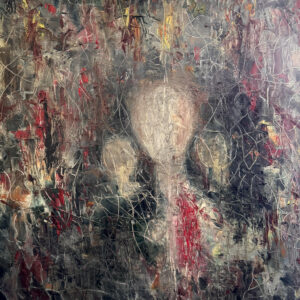
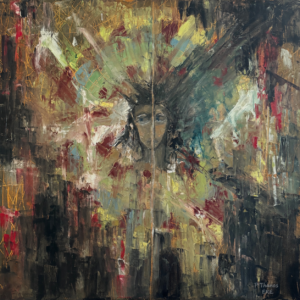
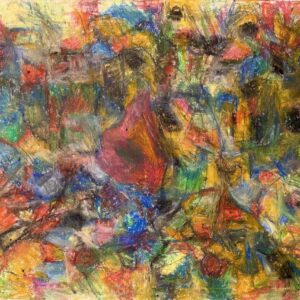
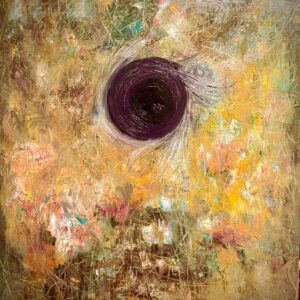
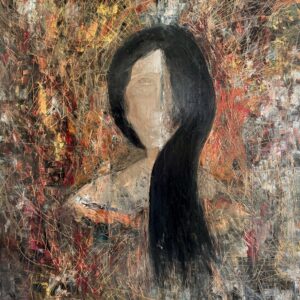
Petros Thanos explores the point at which Realism, Emotion, and Expressionism cease to function as separate artistic concepts and instead coexist as a unified visual experience. Through dynamic textures, transformed forms, expressive gestures, and figures that preserve an unmistakable human presence, his works seek not merely to reproduce outward appearance, but to reveal the way human existence is internally lived, felt, and experienced.
As the founder of Emotional Realism Expressionism (ERE), Petros Thanos proposes a contemporary artistic movement founded upon the principle of the Indivisible Trinity: Realism, Emotion, and Expressionism. According to ERE theory, none of these three elements can exist independently. Realism provides the recognizable human presence, Emotion reveals the inner experience, and Expressionism transforms that experience into visual language. The absence of any one element disrupts the unity of the work and dissolves the experiential core it seeks to convey.
ERE positions itself within the discourse of Contemporary Art as a new theoretical and visual proposition that bridges the representational strength of Realism, the psychological depth of Emotional Art, and the transformative force of Contemporary Expressionism. Its purpose is not merely to depict reality, but to reveal the human condition as it is lived, felt, and transformed through experience.
At the heart of Emotional Realism Expressionism lies a simple yet fundamental principle: Realism, Emotion, and Expressionism do not coexist as separate components, but as an indivisible artistic entity. Together they form a unified language through which human presence, inner truth, and expressive transformation become one.
Petros Thanos Founder of Emotional Realism Expressionism (ERE)